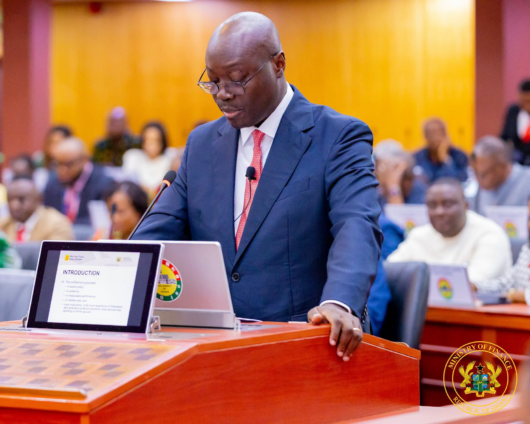
Finance Minister Dr Cassiel Ato Forson has highlighted billions of cedis in government expenditure across key sectors, dismissing claims that the government is failing to inject enough resources into the economy.
The comments follow concerns from the opposition New Patriotic Party (NPP) that the government’s approach to fiscal management is not translating into meaningful economic activity for households and businesses.
Critics have argued that while key economic indicators may be improving, the benefits of the recovery are yet to be widely felt, with businesses and citizens still facing financial pressures.
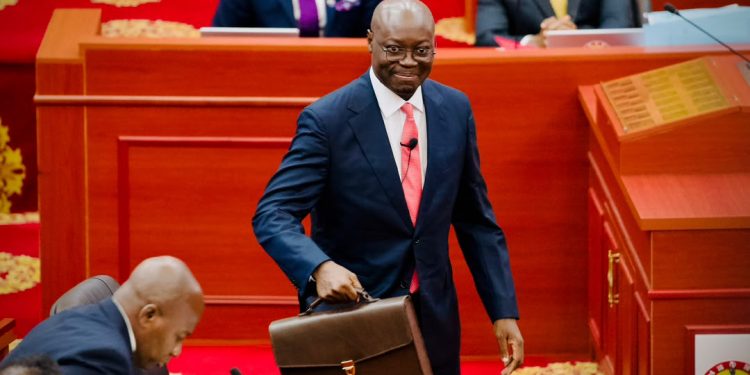
However, presenting the 2026 Mid-Year Budget Review in Parliament on Thursday, July 23, Dr Forson said the government had maintained responsible spending while directing resources towards critical sectors of the economy.
He said government expenditure had supported areas including public sector wages, debt obligations, healthcare, education, infrastructure development, and social intervention programmes.
“In the spirit of transparency and accountability, allow me to lay before this House a clear account of some of the expenditure we have made so far in support of government programmes across sectors approved in the 2026 Budget,” he said.
Dr Forson said the expenditure figures demonstrate the government’s commitment to ensuring that public resources are used effectively to support economic recovery, protect vulnerable groups, and advance national development priorities.
| Sector / Programme | Expenditure Paid |
|---|---|
| Compensation of public sector workers (including SSNIT and Tier 2 Pension Scheme contributions) | GH¢48.8 billion |
| Domestic debt interest payments | GH¢21.5 billion |
| Eurobond debt service and interest | $700 million |
| Payments to domestic bondholders | GH¢10 billion |
| District Assemblies Common Fund (DACF) | GH¢4.4 billion |
| National Health Insurance Scheme (NHIS) | GH¢4.5 billion |
| MahamaCares (specialised healthcare support) | GH¢1.1 billion |
| GETFund (education support) | GH¢4.2 billion |
| Free Secondary Education Programme | GH¢1.8 billion |
| Road Maintenance Trust Fund | GH¢1.7 billion |
| Youth Employment Agency (YEA) | GH¢459 million |
| Ghana National Petroleum Corporation (GNPC) | GH¢961 million |
| Mineral Development Fund | GH¢458 million |
| Energy sector (stable power supply) | GH¢7.1 billion |
| Clearance of legacy government arrears | GH¢5.3 billion |
| Capitation Grant | GH¢76 million |
| Livelihood Empowerment Against Poverty (LEAP) beneficiaries | GH¢485 million |
| Ghana School Feeding Programme | GH¢877 million |
| BECE registration support | GH¢46 million |
| No Fees Stress Policy (tertiary education support) | GH¢537 million |
| Teacher Trainee Allowance | GH¢104 million |
| Nursing Trainee Allowance | GH¢144 million |
| Assembly Members’ Allowance | GH¢93 million |
| National Apprenticeship Programme | GH¢45 million |
| Ghana’s participation in the 2026 FIFA World Cup | GH¢58 million |
| IRECOP (environmental sustainability support) | GH¢477.4 million |
| Ministry of Food and Agriculture flagship programmes (Food Buffer Stock, fertiliser, certified seeds, Feed Ghana, irrigation) | GH¢1.1 billion |
| Farmer Service Centres (escrow account for letter of credit) | GH¢551 million |
| Capital Expenditure | GH¢11.5 billion |
| Big Push Infrastructure Programme | GH¢6.5 billion |
| Ministry of Education goods and services (including sanitary pads) | GH¢915 million |
| General government goods and services | GH¢7.9 billion |
| National Anti-Illegal Mining Operations Secretariat (NAIMOS) | GH¢16 million |