Ayariga moves to revive stalled Kejetia Phase II, Krofrom Market projects
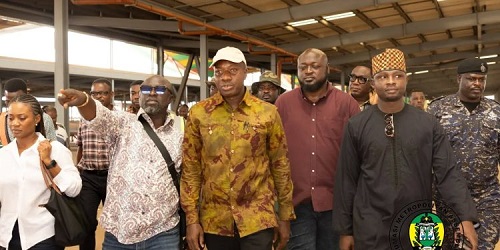
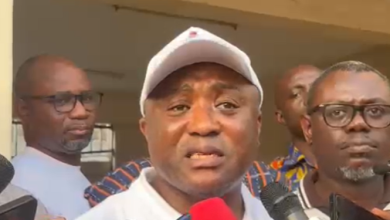
The Minister for Local Government, Chieftaincy and Religious Affairs, Mahama Ayariga, has inspected the long-delayed Kejetia Market Phase II and Krofrom Market projects in Kumasi as government steps up efforts to get the facilities completed.
The inspection, conducted on Sunday, August 30, 2026, brought together the Kumasi Mayor, Richard Kwasi Ofori Boadi Agyemang, Apagyahene Oheneba Owusu Afriyie IV and heads of departments at the Kumasi Metropolitan Assembly (KMA).
The visit was aimed at assessing the current state of the projects, identifying the challenges affecting their progress and exploring practical measures to facilitate the resumption and completion of the works.
Work on thee Kejetia Market Phase II, which began more than seven years ago when former President Nana Addo Dankwa Akufo-Addo and the Asantehene, Otumfuo Osei Tutu II, cut sod, has stalled for more than three years despite reaching about 70 per cent completion.
The Krofrom Market project has faced an even longer delay. Initiated in 2007, the project was intended to provide a modern trading facility and increase commercial space in Kumasi. However, irregular funding has repeatedly disrupted construction, leaving the facility incomplete for more than a decade.
The prolonged delay has affected traders and residents, with the unfinished Krofrom facility becoming a source of concern because of its deteriorating condition and the difficulties faced by traders operating from temporary structures.
In May 2026, the KMA announced that GH¢100 million had been secured from the government through the Social Investment Fund to support the completion of the Krofrom Market project, which requires an estimated GH¢179 million to finish.
Ayariga’s inspection is expected to provide an opportunity for the Ministry and the KMA to review the outstanding issues and determine the steps needed to move both projects towards completion.
The two facilities are considered important to Kumasi’s commercial development, with their completion expected to provide better trading spaces, improve the organisation of commercial activities and support the livelihoods of traders and other businesses in the metropolis.