Ghana moves to strengthen national food composition database to drive policy and public health
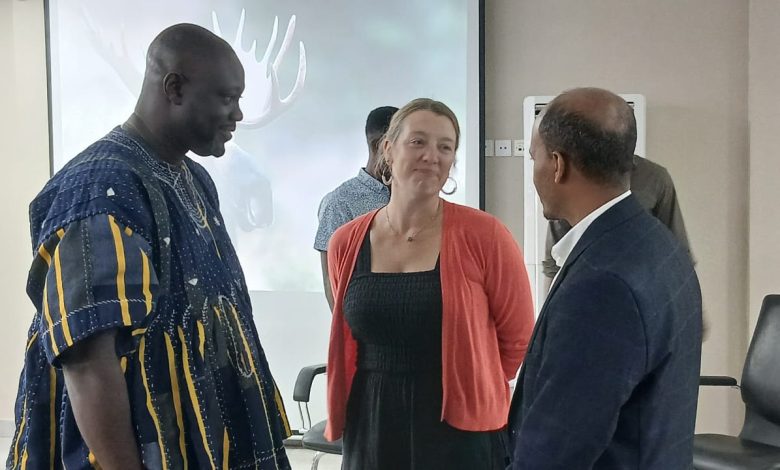
Ghana is taking significant steps toward establishing a comprehensive National Food Composition Database to enhance evidence-based policy in nutrition, agriculture, and public health.
Stakeholders from academia, government regulatory agencies, agricultural industries, and civil society recently convened at the Kwame Nkrumah University of Science and Technology (KNUST) in Kumasi for a high-level consultative forum.
Organized under the auspices of the Periodic Table of Food Initiative (PTFI), the one-day workshop focused on converting scientific data from Ghana’s food systems into actionable policies.

Held under the theme “Leading Ghana’s National Food Composition Database: The Capacity of PTFI Centres of Excellence — from Sample to Data to Policy,” the event highlighted ongoing research and analytical capacities at the KNUST PTFI Centre of Excellence.
Background:
A National Food Composition Database provides precise chemical profiles of local foods, detailing their macronutrients, micronutrients, bioactive compounds, and anti-nutritional factors.
For developing economies like Ghana, reliance on generic global databases often leads to inaccurate dietary assessments because local growing conditions, soil chemistry, and culinary practices significantly alter nutritional values.

Establishing a localized, standardized database allows policymakers, clinical nutritionists, and agricultural experts to address double-burden malnutrition (stunting alongside rising obesity rates) with targeted interventions.
Food Security Challenges:
Throughout the sessions, experts addressed key dimensions of Ghana’s agri-food ecosystem, focusing on three core areas:
Food Biodiversity and Health: Discussions examined how local crop diversity correlates with dietary outcomes, emphasizing the need to translate composition data into public health advisories.
Agricultural Practices:
Researchers presented findings on how cultivation techniques, soil treatment, and chemical inputs directly affect the nutritional quality of harvested crops.
Post-Harvest Loss Mitigation: Presenters highlighted how improper handling, storage, and transport degrade food nutrients before reaching consumers, compounding economic losses with nutritional depletion.
Institutional Collaboration:
A central priority of the workshop was standardizing data collection. Discussions surrounding the Bill & Melinda Gates Foundation (BMGF) workstream focused on implementing unified sampling protocols, metadata frameworks, and lab analysis techniques to guarantee data accuracy.
The forum featured interactive panels and working sessions led by prominent academics and researchers, including Prof. Herman E. Lutterodt, Sheila Mensah, Amos Anim, Dr. Endale Amare, and Dr. Pearl Agyekum.
High-level stakeholder dialogues were co-moderated by Prof. Francis Zotor and Mrs. Patricia Amoah-Yirenkyi, Grants and Research Manager at KNUST.
To conclude the event, participants toured the KNUST and PTFI research laboratories to observe the analytical technologies powering the initiative.
By building cross-sector collaboration between research institutions, ministries, and civil society, Ghana aims to construct a standardized database that guarantees long-term national food security, improved dietary standards, and evidence-led agricultural development.
Source: Ghana/otecfmghana.com/Michael Ofosu-Afriyie, Kumasi.