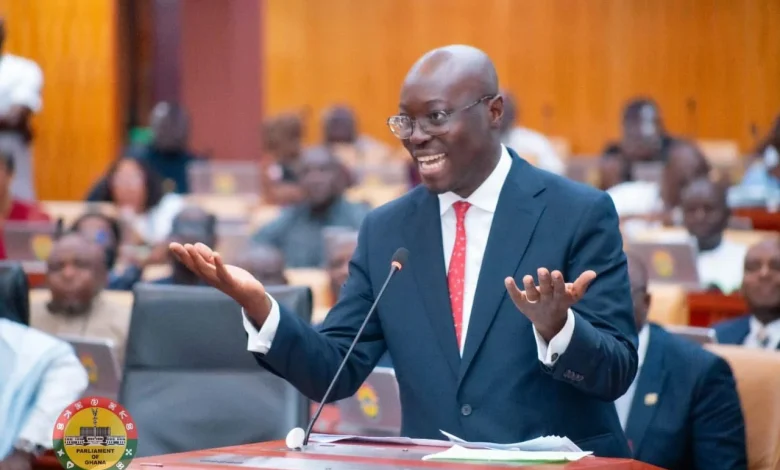
Finance Minister Dr Cassiel Ato Forson will present the 2027 Budget to Parliament on November 12, Deputy Finance Minister Thomas Nyarko Ampem has announced.
Mr Ampem confirmed the date at the release of the Ghana Statistical Service’s Ghana in Numbers report in Accra.
He said the budget would also outline the government’s New Economy agenda.
The Deputy Minister described the report’s release as timely as preparations for the budget presentation continued.
He urged the Ghana Statistical Service to give every Member of Parliament access to its dashboard to support informed debate in the House.
Mr Ampem also said the report would strengthen transparency in economic data and help guide planning and policy decisions.
Areas of Focus
Job creation, economic transformation and growth-focused spending are expected to feature prominently in the budget as the government seeks to consolidate recent economic gains.
JoyBusiness understands from sources familiar with the preparations that Dr Forson is likely to outline measures to move Ghana beyond stabilisation towards sustained growth and employment.
The proposed theme is “New Economy, New Ghana: Jobs and Prosperity”, although this has yet to be confirmed.
The policy direction is expected to prioritise local value addition to boost production, export earnings and jobs.
Sources indicate that the budget could include significant allocations to complete ongoing infrastructure projects. However, overall spending is not expected to depart substantially from the estimates outlined in the 2026 Budget.
Planned expenditure is expected to remain within the government’s fiscal and debt framework, with an emphasis on avoiding excessive deficits and spending overruns.
Dr Forson may also outline plans to lower the primary surplus target to create additional room for priority spending.
Sources say the government sees this approach as the next phase of economic policy following the current fiscal adjustment programme.
The budget could target economic growth of about 5% in 2027 and inflation of 8%, with a two-percentage-point tolerance band.
The medium-term strategy is expected to preserve fiscal and debt sustainability while creating space for investments that support economic transformation.
Sources say the measures will also seek to safeguard macroeconomic stability, strengthen resilience and protect poor and vulnerable households.
The New Economy Programme
The New Economy Programme is expected to be central to the budget, with a greater emphasis on growth-focused spending alongside continued fiscal discipline.
Sources say the government intends to use the programme to expand economic opportunities and support employment.
Dr Forson is also expected to stress the need for continued discipline and commitment to sustain recent gains.
Priority areas identified in the New Economy blueprint include:
- Macroeconomic stability;
- Commercial agriculture, agro-industry and agribusiness;
- Energy sector reforms and investment;
- Critical minerals and value addition;
- Cotton, textiles and garments; and
- Tourism, culture and the creative arts.