84 suspected drug offenders in custody as NACOC freezes nearly 73 assets – Muntaka
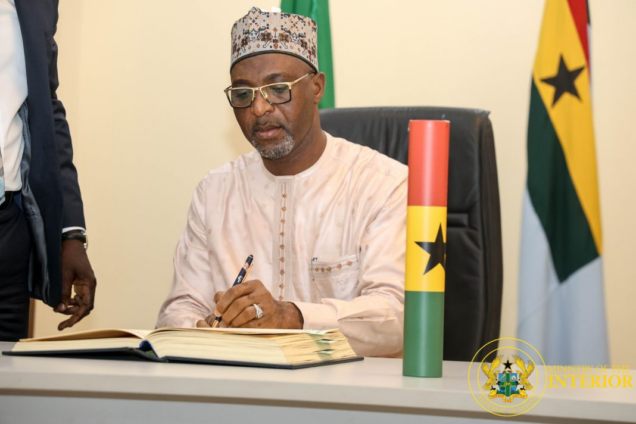
The Minister for the Interior, Mubarak Mohammed Muntaka, has disclosed that 84 people are in custody facing various narcotics-related charges.
According to him, nearly 73 suspected assets linked to individuals under investigation have also been frozen as part of efforts to strengthen drug enforcement and asset recovery.
Speaking on Joy FM’s Super Morning Show on Monday, October 12, Mr Muntaka credited the judiciary and the Attorney-General’s Department with supporting reforms aimed at improving the prosecution of narcotics cases and preventing suspected offenders from retaining assets linked to their activities.
The minister thanked the Chief Justice, Paul Baffoe-Bonnie and the Judicial Secretary for involving narcotics enforcement officials in presentations to newly appointed judges, explaining the challenges confronting the authorities. He said the engagement had contributed to the dedication of specific courts to handle narcotics-related cases.
“I want to thank the Chief Justice and the Judicial Secretary very much,” he said.
He said the arrangement had helped address challenges associated with handing investigations to prosecutors who might not have first-hand knowledge of the circumstances surrounding arrests and evidence gathering.
“We no longer do the arrest and give it to the AG,” he said, explaining that the new approach enabled officers familiar with the investigations to take greater responsibility for prosecutions.
Providing an update on enforcement activities, the minister said 84 people remained in custody as of Monday morning, excluding those granted bail, and were facing different levels of charges.
He further disclosed that authorities had frozen nearly 73 assets suspected of belonging to individuals linked to narcotics investigations, pending relevant court decisions. His remarks did not specify the precise categories or total value of the assets.
Mr Muntaka said the government was also changing its approach to asset recovery by identifying and securing suspected proceeds of crime earlier in investigations, rather than waiting until the conclusion of the main narcotics case.
“In the past, what they do is that the narcotic issue alone till the end, then they now come and start talking about the person’s assets,” he explained.
He said investigators now sought to establish the assets associated with suspects from the time of arrest, making it easier for authorities to take steps to preserve them while cases proceeded through the courts.
“By the time we do the arrest, we know most of the person’s assets,” he said.
The minister added that assets could be transferred to the state following a conviction and the appropriate legal process, after which the government could auction them where necessary.
“When we secure conviction, the assets become that of the state,” he said.