2027 Budget: Gov’t pharmaceutical investment to create 20,000 jobs, boost local medicine production by 2030
Ghana is targeting local production of between 60 and 80 per cent of its essential medicine requirements by 2030 under a government-backed pharmaceutical manufacturing programme expected to create about 20,000 direct and indirect jobs.
The government will use public procurement to give locally manufactured medicines preference in the supply of drugs to state institutions while supporting domestic manufacturers to meet international quality standards.
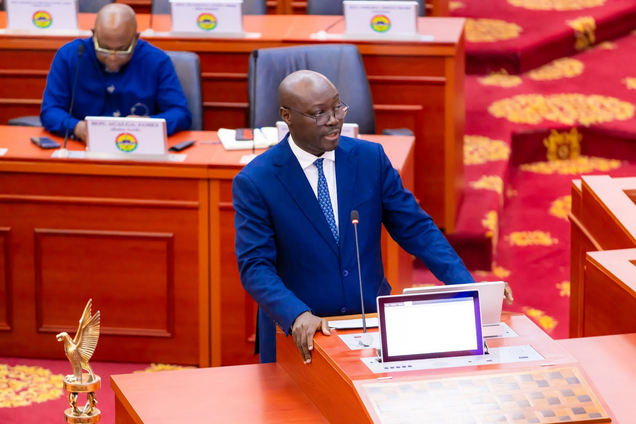
Presenting the 2027 Budget Statement to Parliament on Thursday, 12 November, Finance Minister Dr Cassiel Ato Forson said Ghana would make locally produced medicines the default choice for public expenditure on pharmaceuticals.
He said the policy was intended to support local businesses, increase domestic production and promote Ghanaian exports.
“We are determined to use public procurement to strengthen Ghanaian businesses, buy Ghanaian goods and promote Ghanaian exports,” Dr Forson said.
He cited India, Ethiopia, Nigeria and Tanzania as countries that had introduced procurement policies favouring locally manufactured medicines and other domestic products.
However, he stressed that local preference would not be allowed to compromise quality, delivery standards or value for money.
“Local preference will never excuse poor quality, late delivery or bad value,” he said.
Dr Forson said suppliers would be required to obtain Food and Drugs Authority registration and comply with Good Manufacturing Practice standards.
The government will also support pharmaceutical manufacturers to obtain World Health Organisation prequalification to enable Ghanaian medicines to compete in regional and international markets.
“In 2027, the state-owned special purpose vehicle will begin the construction of these pharmaceutical manufacturing hubs,” he said.
By 2030, the government expects domestic manufacturers to produce between 60 and 80 per cent of Ghana’s essential medicine needs.
“Under this pillar alone, we project approximately 20,000 direct and indirect jobs,” Dr Forson said.
The programme forms part of the government’s wider investment in the pharmaceutical industry to reduce reliance on imported medicines and develop Ghana as a pharmaceutical manufacturing and export centre for West Africa.