2027 Budget to tackle Accra flooding permanently – Ato Forson
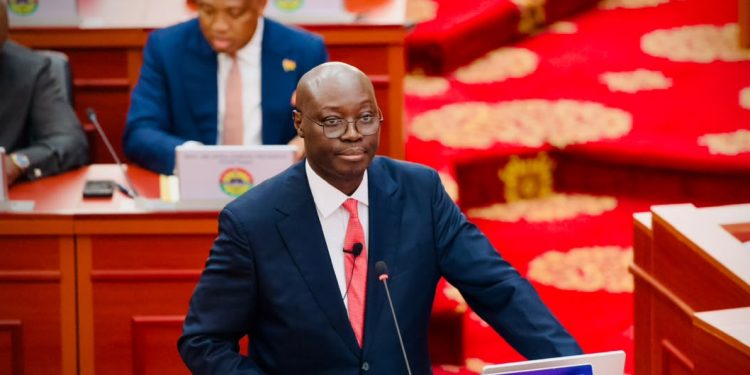
Finance Minister Dr. Cassiel Ato Forson has announced that the government will make financial provisions in the 2027 national budget to implement a comprehensive and permanent solution to the recurring flooding that continues to affect Accra and several other flood-prone communities across Ghana.
The announcement was made during the presentation of the 2026 Mid-Year Budget Review to Parliament on Thursday, July 23, where the Finance Minister outlined the government’s response to the devastating floods that struck parts of the country on June 29 and its long-term strategy to address the challenge.
According to Ato Forson, the government recognises the devastating human and economic impact of the annual flooding, which continues to claim lives, destroy homes and businesses, and damage critical public infrastructure.
He noted that while immediate relief efforts remain important, the government is shifting its focus towards implementing lasting interventions that will significantly reduce the risk of flooding and protect vulnerable communities.
He said the government responded promptly after the floods by providing emergency assistance to affected communities and coordinating relief efforts aimed at supporting victims and restoring normalcy.
“The floods claimed lives, displaced families, destroyed businesses and caused extensive damage to public infrastructure. The government responded swiftly by visiting the hardest hit communities, releasing funds and organising nationwide clean-up.
“The President has directed the Ministry of Works, Housing and Water Resources to develop a comprehensive and permanent solution to flooding in Accra and other flood prone areas across the country. The funding for the implementation of this permanent solution will be provided in the 2027 Budget and the Medium Term.”
The announcement follows the severe floods that swept through several parts of Accra on June 29 after hours of torrential rainfall, leaving widespread destruction in their wake.
The flooding submerged roads, homes, businesses and vehicles, disrupted economic activities and displaced numerous residents, while several lives were also lost in one of the capital’s most devastating flood incidents in recent years.
The disaster renewed public concern over Ghana’s perennial flooding problem and prompted renewed calls for government to invest in long-term drainage infrastructure, improved urban planning, desilting of drains and stricter enforcement of regulations against building on waterways.