Hope for millions as cheaper HIV prevention jab reaches Africa
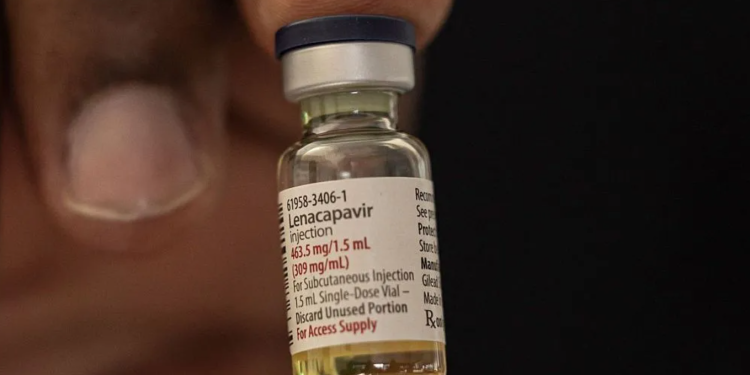
Uganda is set to receive its first supplies of a cheaper version of a ground-breaking injection to prevent HIV, raising hopes of expanding access to the drug across Africa, where the burden of the disease remains highest.
The first global shipment of the generic drug, known as lenacapavir, arrived in Zambia on Wednesday, with deliveries to Uganda expected in the coming days, the Global Fund has said.
Zimbabwe is due to receive supplies early next year, with several other countries expected to follow.
The original version cost about $28,000 annually in the US, putting it beyond the reach of many of those in developing countries.
Lenacapavir works by targeting the protective protein shell of HIV, disrupting the virus’s ability to multiply and establish an infection in the body.
Health experts say the injection offers a major advantage over existing HIV prevention pills, known as pre-exposure prophylaxis (PrEP), which must be taken every day and can carry social stigma.
The World Health Organization (WHO) recommended the drug for HIV prevention in July 2025.
The Global Fund described the arrival of the drug in Africa as a “major breakthrough” in the fight against HIV, saying cheaper supplies would help reach millions more people at risk of infection.
“These deliveries mark an unprecedented acceleration and expansion in access to a highly effective, quality-assured generic HIV prevention medicine in low- and middle-income settings,” the group said in a statement on Wednesday.
The organisation expects 24 countries to have received supplies by the end of this year and, working with the US government, plans to reach at least three million people by the end of 2028.
It is eventually expected to be available in 120 low- and middle-income countries.
Sub-Saharan Africa accounts for nearly two-thirds of people living with HIV globally, with adolescent girls and young women disproportionately affected.
South Africa has the world’s largest HIV-positive population, with nearly eight million people living with the virus. It is among the countries expected to receive the cheaper injection.
Some 41 million people worldwide were living with HIV last year, while 570,000 died from HIV-related illnesses, according to the WHO.
The rollout comes amid concerns that sweeping cuts to US foreign aid under President Donald Trump’s administration could undermine decades of progress in tackling HIV in Africa, where many countries rely heavily on international funding for prevention and treatment.
The UN aims to end Aids as a public health threat by 2030.