IMF defends $214m loss finding on GoldBod, urges risk management reforms
The International Monetary Fund (IMF) says it maintains its assessment that the Bank of Ghana recorded losses of about US$214 million by the Ghana Gold Board (GoldBod).
The assessment, contained in an IMF report, was discussed in the Staff Report for the Fifth Review of Ghana’s IMF-supported programme.
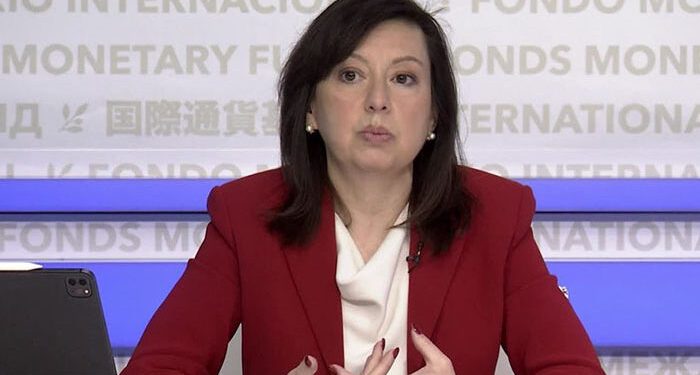
Responding to questions at a press briefing,on Thursday 15th January, 2026, IMF Director of Communications Julie Kozack said the Fund had already addressed the issue in detail.
Julie Kozack explained that although the programme helped build international reserves and reduced pressure on the foreign exchange market during a challenging period, it also resulted in a government-related loss of about US$214 million.
She also explained that the losses arose from trading activities, fees, and exchange rate movements, adding that while the loss is not formally captured on the government’s fiscal balance sheet, it ultimately represents a cost to the state.
“On the benefit side, what we see is a contribution to a buildup of international reserves and reduced pressure on the foreign exchange market during a difficult period for Ghana. The report also quantified what we call a quasi-fiscal loss. Quasi-fiscal meaning because it’s not on the fiscal balance sheet, but ultimately it is a fiscal loss. And that loss was $214 million that the team quantified.” she said.
“The loss stemmed from trading activities, fees, exchange rate movements. And to help address this, our recommendation is to strengthen transparency, governance, and risk management, especially for the GoldBod-linked channel under this domestic gold purchase program. We also strongly recommend that the losses should be brought on balance sheet rather than held on the balance sheet of the Central Bank.
As a result, the IMF is recommending stronger transparency, governance, and risk management, particularly for operations linked to the GoldBoard under the programme.
The IMF is also urging that such losses be reflected on the government’s budget balance sheet rather than remaining on the books of the Bank of Ghana.
“This is important to ensure that the Bank of Ghana remains well.” she said.