Tomatoes, rent and ginger drive Ghana’s 5.2% inflation in September
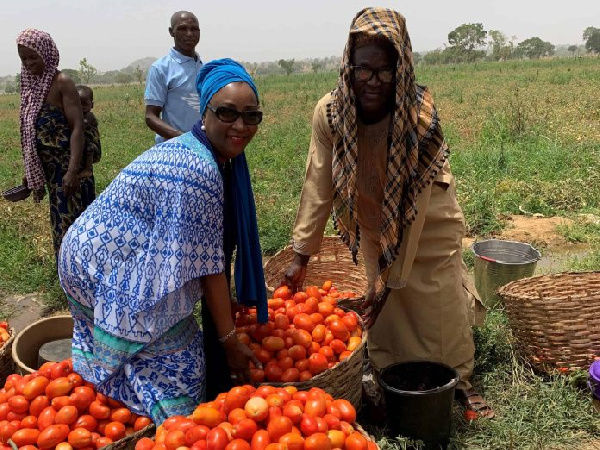
Fresh tomatoes, rent payments and ginger were the biggest contributors to Ghana’s 5.2% inflation rate in September 2026, highlighting significant differences in the cost pressures facing households despite the sharp moderation in headline inflation.
Data from the Ghana Statistical Service (GSS) showed that fresh tomatoes alone accounted for 20.3% of the September inflation rate, followed by rent payments at 13.9% and ginger at 9.9%.
Cooked rice contributed 7%, while bus and trotro fares and yam each accounted for 5.4%.
Presenting the detailed figures, Government Statistician Dr Alhassan Iddrisu said the headline inflation rate masked significant variations in the prices of individual goods and services.
“We are talking about one national rate of 5.2% at the end of September 2026, which contains very different experiences in the market.”
Fresh tomatoes recorded the highest year-on-year inflation among the items tracked, with prices rising by 153.4% compared with September 2025.
Ginger followed with inflation of 100.4%, meaning its price roughly doubled over the period.
Other items that recorded significant price increases included shrimps, at 62.8%, mangoes at 46.6%, and packing space and related services at 40%.
Dr Iddrisu said the figures pointed to the importance of food supply in addressing inflationary pressures.
“Pay attention to fresh food supply, since tomatoes and ginger alone contribute about 30% of inflation.”
Some food prices decline
The data also showed that not all food items became more expensive over the period.
Lime recorded the largest year-on-year price decline at 29.9%, followed by maize at 26.4%, foreign apples at 24.1%, bambaran beans at 21.7% and carrots at 21.5%.
The contrasting price movements underscore the different experiences of households depending on the goods they consume.
Services remain a pressure point
Services continued to record stronger inflationary pressures than goods, with services inflation reaching 8.3% in September.
This compared with 4.2% for goods, meaning service prices were rising at almost twice the rate of goods.
Dr Iddrisu identified housing and rent, restaurants and transport among the areas contributing to the pressure.
“Services inflation is at 8.3 percent at the end of September 2026, and they are the last hurdle for us to deal with, rising twice as fast as goods, which recorded inflation of 4.2 percent.”
The GSS data also showed that inflation was largely driven by locally produced goods and services.
Domestic items accounted for about 86% of inflation in September, while imported items contributed the remaining share.
Dr Iddrisu described the trend as evidence that inflation was largely “homegrown” and said the figures should inform policy responses to food supply constraints and domestic costs.
Wide regional differences
The national inflation rate also concealed substantial regional variations.
According to the GSS, inflation ranged from 9.8% in the Ashanti Region to -0.5% in the Western Region.
Dr Iddrisu said the regional variations demonstrated that the cost-of-living experience differed significantly depending on where people lived.
The GSS has encouraged government and businesses to use the official Consumer Price Index when preparing budgets, setting prices and negotiating contracts.
For households, the Service said the moderation in food inflation — which fell to 4% in September from 11% a year earlier — could provide some room for better financial planning.