Easter is a call for national unity, moral renewal and development — Frimpong-Manso Institute
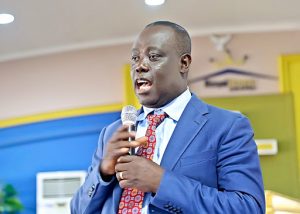
The Frimpong-Manso Institute has called on Ghanaians to draw lessons from the Easter celebration to foster national unity, moral renewal, and inclusive development, stressing that the country’s progress depends not only on policies but also on reconciliation and shared purpose among citizens.
The Frimpong-Manso Institute has, therefore has been described Easter celebration as a powerful foundation for national unity, moral transformation and sustainable development.
According to the statement signed by Rev. Prof. Paul Frimpong-Manso, President of the Institute, Easter remains the most significant event in Christianity, commemorating the resurrection of Jesus Christ and symbolizing “victory over sin and death, hope for eternal life, and the very foundation of the Christian faith.”
“The Easter event is the Gospel – the Good News that Christ commissioned his Church to proclaim to the world,” the statement noted, referencing the teachings of Apostle Paul in 1 Corinthians 15:1-5.
Easter and the message of reconciliation
The Institute emphasized reconciliation as the central outcome of Easter, highlighting that through Christ, humanity is reconciled with God.
“Reconciliation is the appropriate term which sums up the outcome of the Easter event… God and sinners reconciled,” the statement said, drawing from the famous hymn by Charles Wesley.
It further explained that this reconciliation is rooted in God’s love, adding that “through Christ, God initiates the reconciliation of all things,” urging believers to extend this message beyond spirituality into human relationships.
National Unity Key to Ghana’s Reset Agenda
Touching on national issues, the Institute linked the Easter message to Ghana’s development aspirations, particularly the government’s Reset Agenda.
While describing the agenda as laudable, the statement warned that its success hinges on unity among citizens.
“As a nation we are polarised on many fronts — religious, tribal, economic, and most critically political,” it said. “A kingdom divided against itself cannot stand.”
The Institute called on Ghanaians to embrace reconciliation during the Easter period, stressing that “the Cross of Jesus… has the power to reunite us as a nation if we will abide by its lessons.”
Development Beyond Economics
On national development, the statement cited Professor Emmanuel Asante, who defines development as “release from that which holds one captive,” encompassing restoration and transformation.
“Development must lead to progress, well-being — a change for the better,” the statement noted, adding that true development goes beyond economic growth to include moral, spiritual and intellectual advancement.
It stressed that national development should be holistic, aimed at “promoting the total well-being and full potential of citizens,” rather than focusing solely on material gains.
Call for Holistic National Renewal
In its conclusion, the Institute described Ghana’s Reset Agenda as a historic opportunity but cautioned that policy measures alone are insufficient.
“A true reset cannot be achieved through policies alone. It requires national unity and cohesion, moral transformation, spiritual renewal and cultural reorientation,” the statement emphasized.
It further highlighted the role of the Christian Church in national transformation, noting that through “prophetic witness, social engagement and moral formation,” it can partner both government and citizens in rebuilding the nation.
“A national reset without the Easter event becomes a reform without roots; but with Easter in focus, it becomes transformation with eternal impact,” the statement concluded.
Source: Ghana/otecmfgnaa.com