Photos: Abandoned 250-bed Sewua Regional Hospital deteriorates as KATH battles congestion
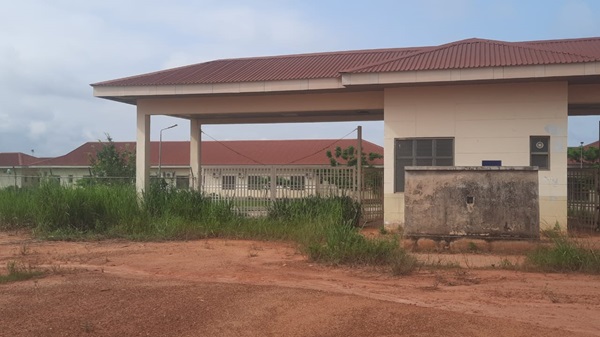
The 250-bed Sewua Government Hospital, intended to serve as the Ashanti Regional Hospital and ease pressure on the Komfo Anokye Teaching Hospital, remains largely non-operational despite being commissioned bythepreviousgovernment.
The situation has become a major concern following the recent announcement by Komfo Anokye Teaching Hospital regarding the suspension of services at its Accident and Emergency Centre due to ongoing renovation works.
The hospital project, which includes a 250-bed facility and a 50-bed Infectious Disease Centre, was constructed by Euroget De-Invest at an estimated cost of 64 million US dollars.
The facility was designed to serve as the main regional referral hospital for the Ashanti Region and improve access to specialist healthcare services.
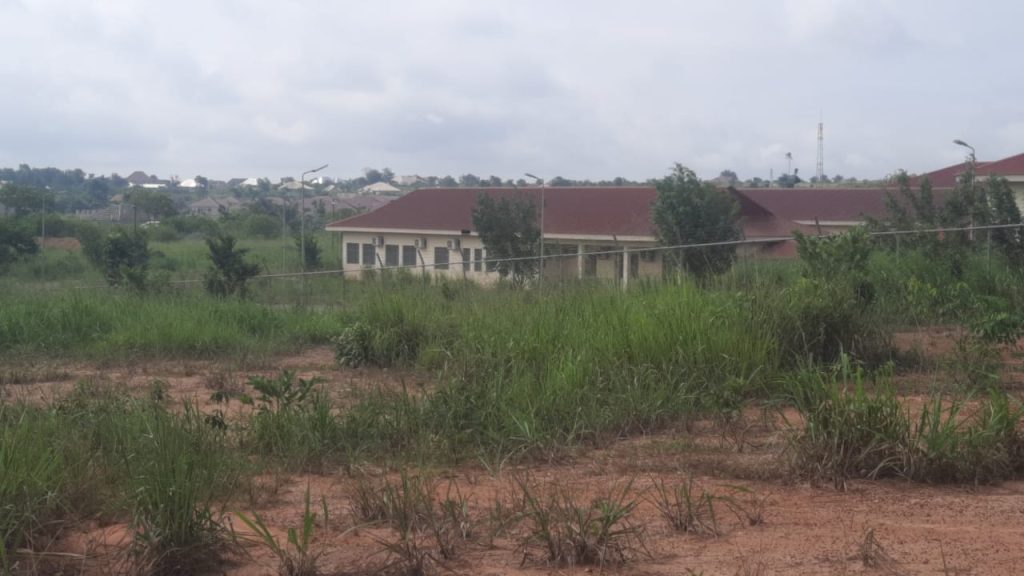
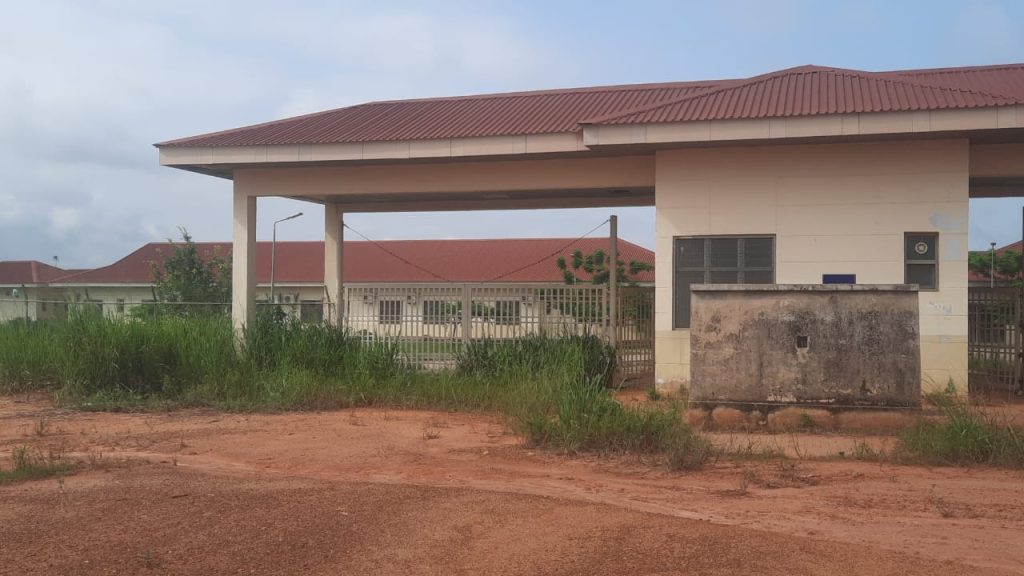
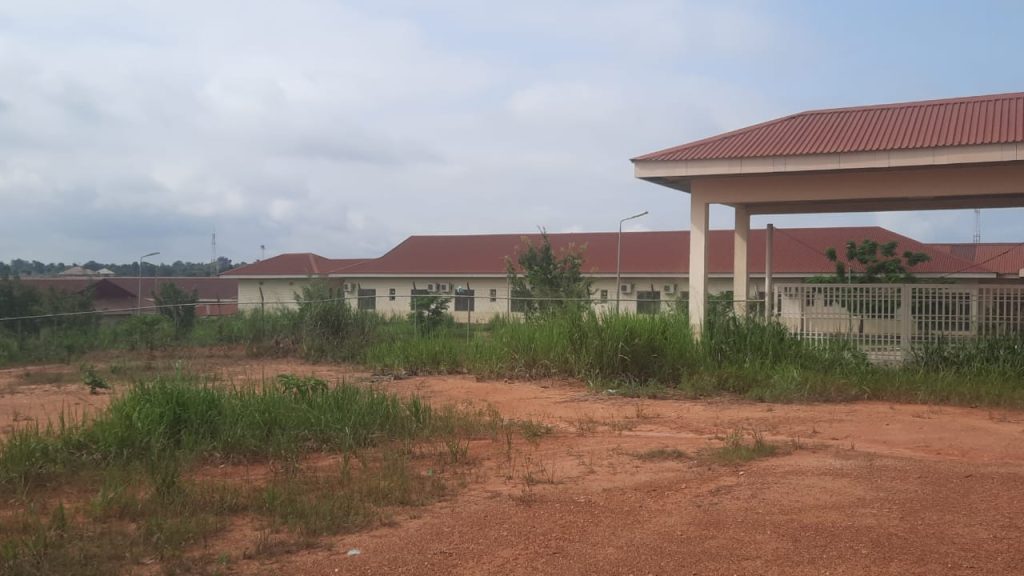
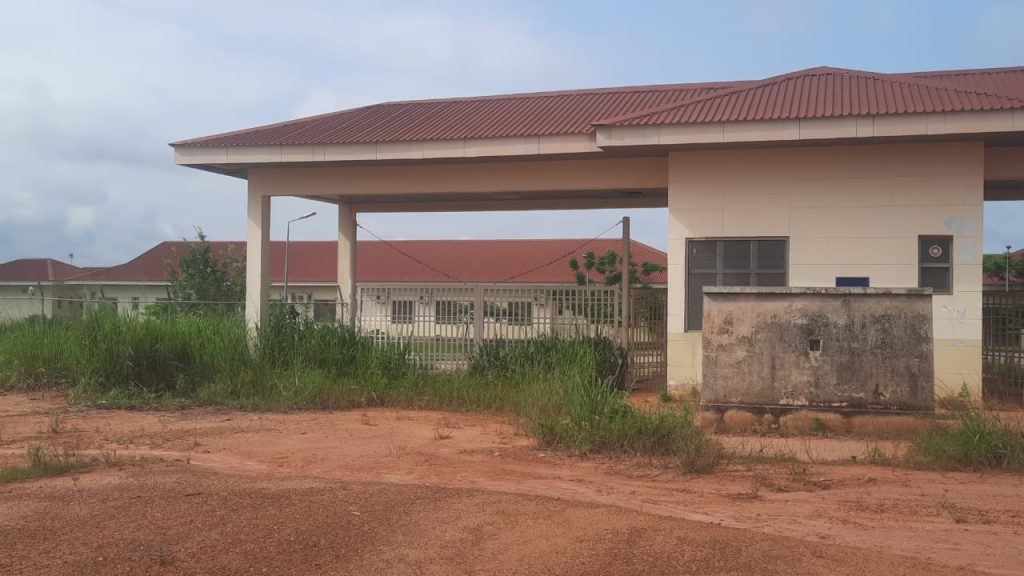
A visit to the site by OTEC News Reporter Solomon Nimo revealed that several sections of the facility remain unused, with beds and medical equipment gathering dust. There was no sign of active work on the project, while contractors had reportedly moved their equipment from the site.
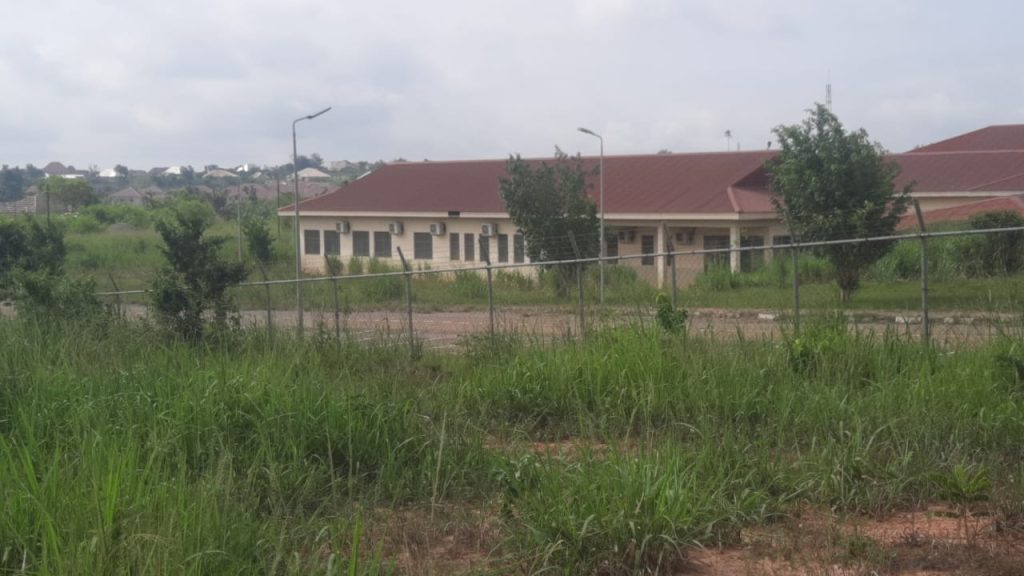
The inspection further revealed that weeds have overgrown large portions of the hospital compound. Challenges including poor access roads, lack of water supply, and the absence of electricity continue to hinder the operationalization of the facility.
Meanwhile, the Komfo Anokye Teaching Hospital continues to serve patients from more than ten regions and districts within its catchment area, placing enormous pressure on the facility and its staff.
Health stakeholders believe the full completion and operationalization of the Sewua Hospital would significantly reduce the burden on KATH, improve healthcare delivery, and enhance access to specialist medical services in the Ashanti Region.
Residents and concerned citizens are therefore calling on government and relevant authorities to urgently intervene and ensure that the facility becomes fully operational to prevent future challenges in the region’s healthcare system.
Source: Ghana/otecfmghana.com/Solomon Nimoh