Vice-Chairman of Parliament’s Human Rights Committee and Member of Parliament for Abuakwa South Constituency Dr. Kinglsey Agyemag, has called on African countries to strengthen human rights education to help reduce the growing cases of rights violations across the continent.
According to international human rights organisations including Amnesty International and Human Rights Watch, Africa continues to record increasing cases of abuses linked to armed conflicts, restrictions on free expression, violence against women and vulnerable groups, poor healthcare systems and limited access to essential social services.
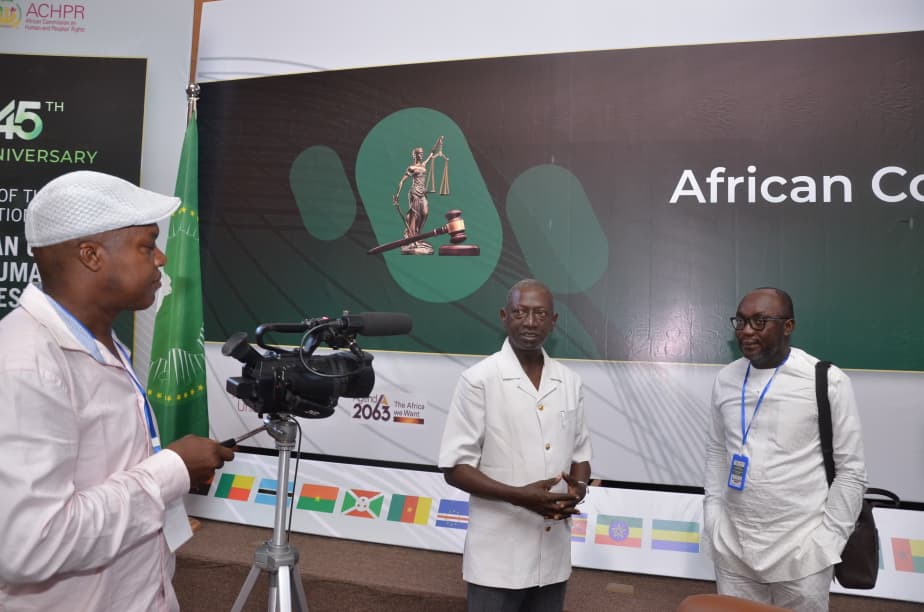
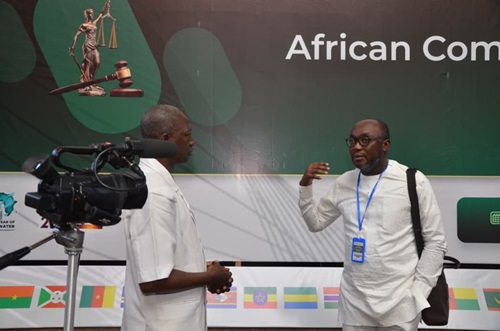
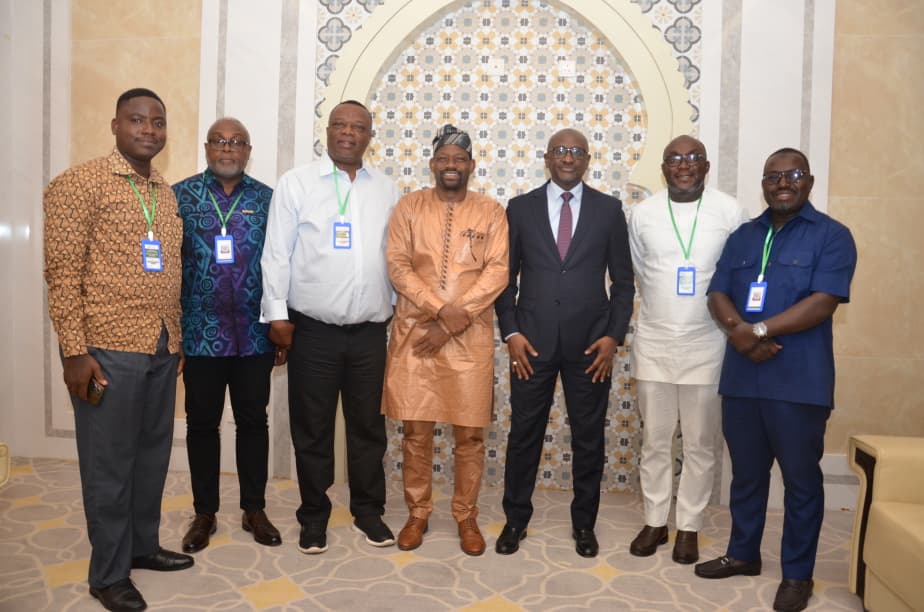
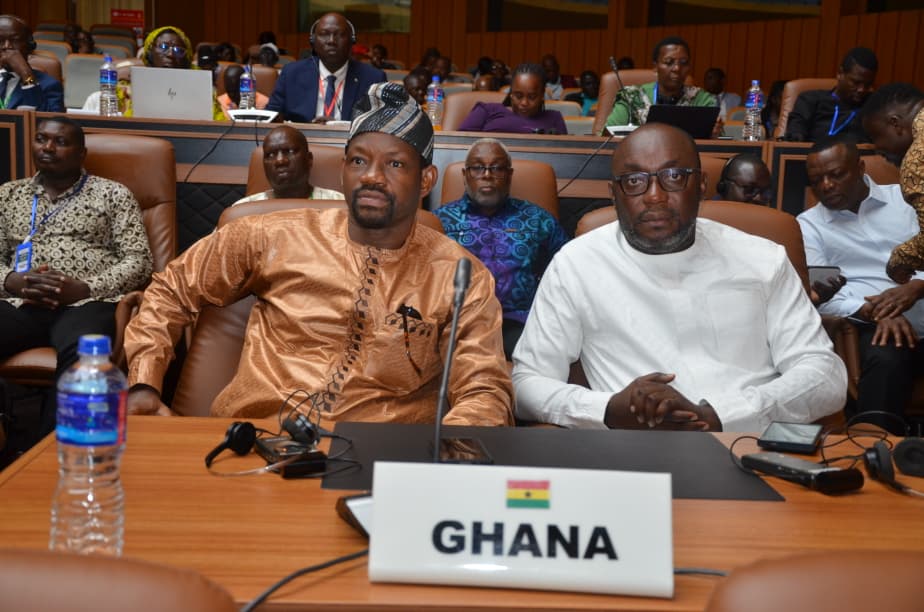
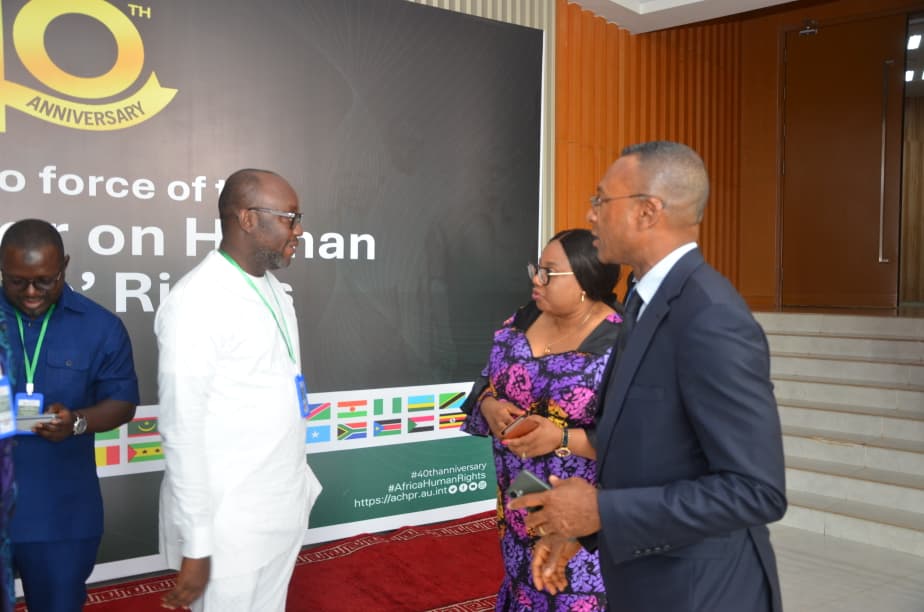
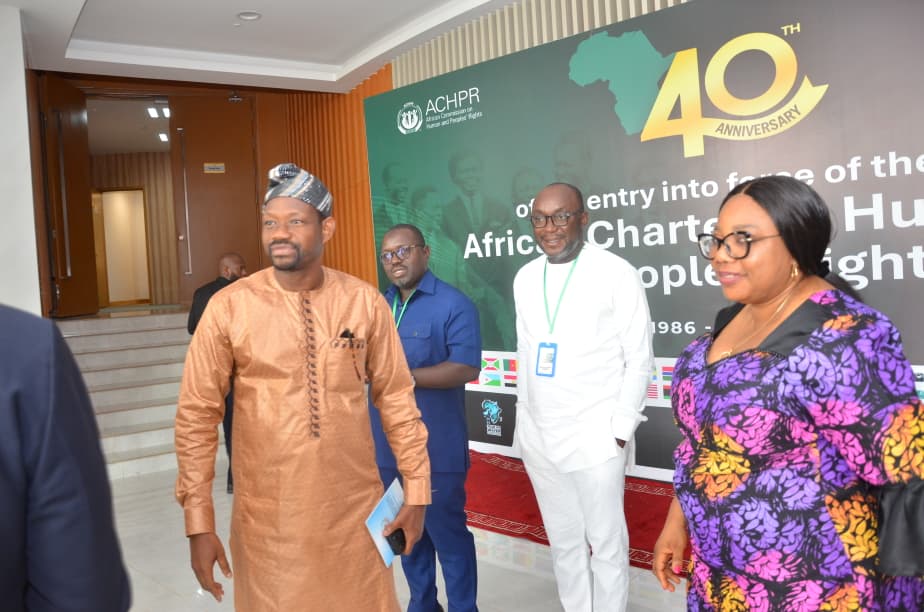
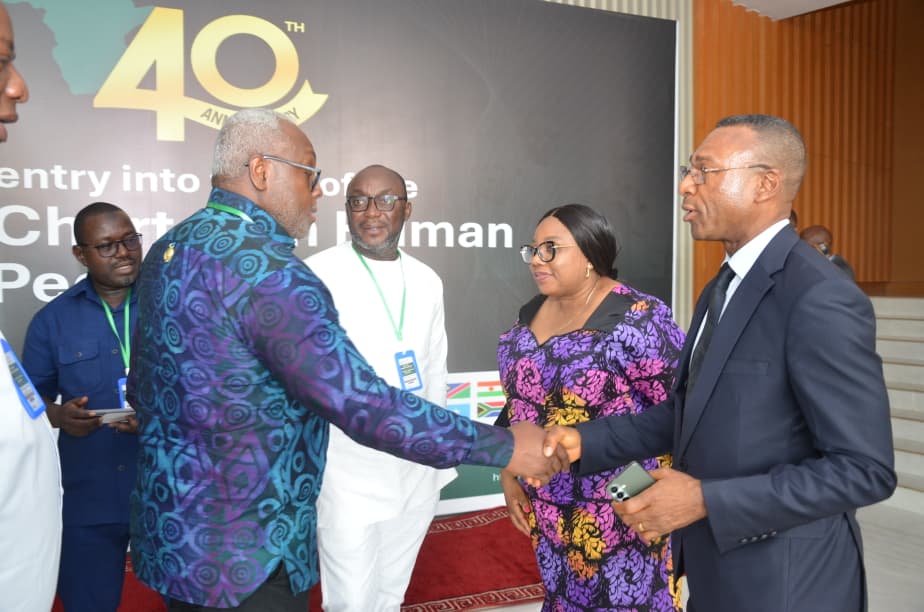
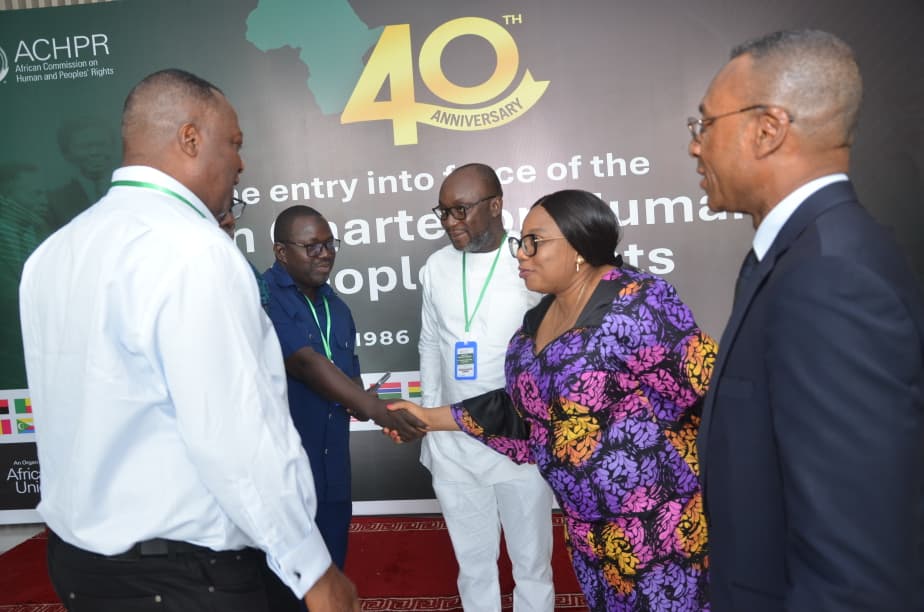
Dr. Agyemang made the remarks during the 87th Session of the African Commission on Human and Peoples’ Rights (ACHPR) held in The Gambia, where he represented the Parliament of Ghana as Vice Chairman of the Human Rights Committee alongside other Members of Parliament.
“It is important that we educate people on human rights and human rights violations. People need to know their rights so they can demand accountability and justice where necessary,” he stated.
He stressed that human rights should not only be viewed within the context of political freedoms, but also through access to quality healthcare, safe roads, potable water and decent living conditions.
Drawing attention to the impact of weak social systems, Dr. Agyemang said preventable deaths and inadequate access to healthcare must equally be treated as human rights concerns.
“When a child dies from a preventable disease, that is a human rights issue because every child has the right to live and should not die from illnesses that can be prevented,” he said.
He also highlighted the plight of many women in deprived communities, particularly in rural areas, where the lack of basic infrastructure continues to expose them to danger and hardship.
“When a pregnant woman has to walk long distances to fetch water and gets bitten by a snake, that is also a human rights issue because she is being denied access to quality roads and clean, accessible water,” he added.
Dr. Agyemang’s comments come at a time when rights observers are raising concerns over worsening human rights conditions in parts of Africa. Amnesty International’s latest regional assessment noted that governments across the continent continue to suppress protests, restrict dissent and struggle to address humanitarian crises caused by conflict, poverty and climate-related disasters.
In Ghana, recent reports by Amnesty International have also highlighted issues including attacks on journalists, violence against women accused of witchcraft, and concerns surrounding the rights of minority groups and vulnerable communities.
Dr. Agyemang believes education remains one of the strongest tools for addressing these challenges and called for human rights studies to be incorporated into school curricula across Africa.
He proposed that human rights education should begin from the basic level through to tertiary institutions to help raise a generation that understands justice, equality, accountability and civic responsibility.
Beyond the classroom, he urged churches, marketplaces, civil society organisations and community groups to actively champion conversations on human rights and civic awareness.
According to him, broadening public understanding of human rights would not only empower citizens to demand accountability but also strengthen democratic governance and improve living conditions across the continent.
Source: Ghana/otecfmghana.com