Pressure mounts on GIADEC amid controversy over Nyinahin bauxite deal

CEO of GIADEC, Lawyer Reindorf Twumasi Ankrah
The Ghana Integrated Aluminium Development Corporation (GIADEC) is facing mounting criticism following allegations that it has shown favoritism toward foreign investors in the allocation of the Nyinahin Bauxite Blocks A, B, and C.
The controversy, unfolding in the Atwima Mponua District of the Ashanti Region, has ignited widespread debate about transparency and fairness in the management of Ghana’s mineral resources.
The dispute has quickly evolved into a national conversation, with stakeholders questioning whether Ghana’s extractive industry is being structured to prioritize local participation or continue its dependence on foreign capital.
Analysts say the outcome of the Nyinahin allocation could define the future direction of the country’s industrial policy.
Critics and industry insiders have leveled serious accusations against GIADEC’s leadership, particularly its Chief Executive Officer, Reindorf Twumasi Ankrah, and the governing board.
They claim the process lacks transparency and may be skewed in favor of expatriate interests at the expense of capable Ghanaian firms.
At the heart of the controversy is what critics describe as the systematic exclusion of indigenous companies.
“There are competent Ghanaian firms with the technical and financial capacity to undertake this project, yet they appear sidelined,” one industry player said, warning that such practices could undermine local enterprise development.
Opponents argue that bypassing local firms contradicts Ghana’s long-standing agenda of economic self-reliance.
They insist that allowing foreign entities to dominate such a strategic resource risks perpetuating a cycle where Ghana remains a supplier of raw materials without fully benefiting from value addition.
Further concerns have been raised over reports that any proposed local participation may merely serve as a “front,” leaving actual operational control in the hands of foreign corporations.
This perception, stakeholders say, risks eroding trust in public institutions and weakening confidence in the government’s industrialization agenda.
The lack of clarity surrounding the application status of indigenous firms has deepened public suspicion.
Observers argue that GIADEC’s dual role as both regulator and commercial participant creates potential conflicts of interest, making transparency in its dealings even more critical.
The stakes surrounding the Nyinahin project are significant.
The deposit is estimated to contain nearly one billion metric tonnes of bauxite, making it one of the largest untapped reserves in West Africa and a cornerstone of Ghana’s ambition to build an integrated aluminium industry.
Industry experts describe Nyinahin as the “crown jewel” of Ghana’s aluminium strategy, with the potential to transform the country’s economic landscape through job creation, infrastructure development, and increased export revenue.
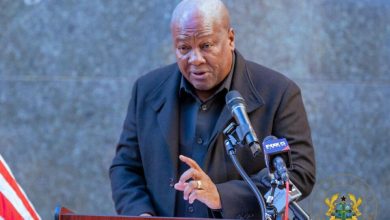
Observers note that the current controversy appears to clash with the vision championed by President John Dramani Mahama, who has consistently advocated for greater local participation in strategic sectors to boost Gross National Product and ensure inclusive growth.
Supporters of indigenous participation point to the success of the Ghana Bauxite Company Limited as evidence that local firms can thrive in the sector.
The company, largely owned by the indigenous Ofori-Poku Company Limited, has demonstrated strong production capacity and contributed significantly to community development through investments in healthcare, education, and employment.
As public pressure intensifies, many are calling on GIADEC to provide clear answers and demonstrate that its selection process is fair, transparent, and aligned with the “Ghana First” philosophy.
For many Ghanaians, the outcome of the Nyinahin deal will serve as a defining test of whether the nation’s vast natural resources can truly be harnessed to build a resilient, locally driven industrial economy.
Source: Ghana/otecfmghana.com/Francis Appiah